Upgrade Your Home: Experienced House Painter Services for a Fresh, Vibrant Look
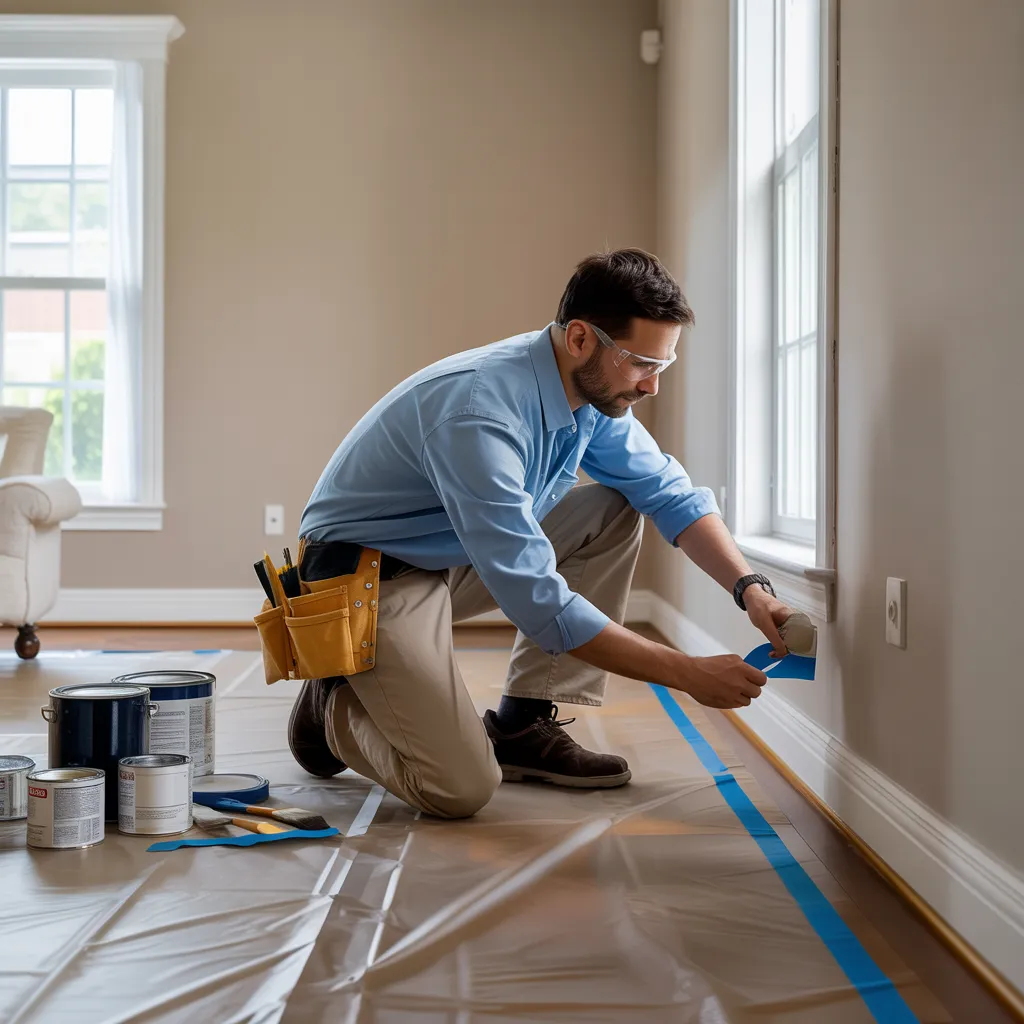
Revitalizing a home typically begins with adding a new paint coating. Homeowners regularly confront various obstacles, including color selection to achieving uneven coverage. Professional house painter solutions can ease these anxieties, offering well-trained professionals committed to ensuring quality output. Knowing what happens as you go through the painting undertaking is essential. As homeowners consider their options, multiple vital factors surface that may determine their decision. What are the true perks of bringing in skilled professionals, and what's the best way to handle this undertaking with success?
Usual Paint Obstacles Homeowners Address
objectives.
What Can You Get Ready For in the Painting Process?
Learning about the painting process can reduce some of the challenges property owners experience during their projects. The process typically starts with a consultation, where experts assess the space and discuss color options. After that, the team prepares the area by moving furniture, covering surfaces, and repairing any damage to the wall surfaces. Primer application may take place, especially for recently repaired or new areas, guaranteeing improved paint bonding.
Once arrangements are complete, painters apply the selected paint using suitable techniques for a flawless finish. Homeowners can expect a multi-coat application for optimal color depth and durability. Communication throughout the process is crucial; painters often provide updates and handle any concerns. Finally, the project concludes with a thorough clean-up, returning the space to its initial state. Understanding these steps can empower homeowners, setting practical expectations for a positive painting experience.
Benefits of Selecting Qualified House Painters
While some homeowners might consider DIY painting to save costs, contracting with professional house painters offers numerous advantages that can enhance the overall outcome. Professionals bring knowledge and proficiency, confirming that the job is completed efficiently and to a high standard. They possess the proper implements and equipment, negating the requirement for homeowners to procure or lease expensive materials.
Additionally, expert painting contractors can identify and address hidden problems such as mold or structural deterioration, which might go unnoticed by an untrained eye. Their expertise in color science and design trends can also help homeowners make informed choices that improve the visual attractiveness of their spaces.
Furthermore, skilled professionals frequently include warranties, offering assurance regarding the durability of the work. Ultimately, contracting professionals not only reduces time and effort but also creates a polished finish that elevates the home's value and appearance.
Fundamental Painting Methods for a Perfect Finish
Achieving a perfect finish when painting a house demands mastery of essential techniques that heighten the overall quality of the job. Proper surface preparation is vital, consisting of comprehensive cleaning, sanding, and priming to ensure paint sticks correctly. This step prevents issues such as peeling and bubbling later on.
Selecting premium painting tools greatly impacts the end result; the right equipment minimize streaks and ensure uniform application. Applying a systematic approach, including painting in sections and maintaining a wet edge, helps prevent visible lines and inconsistencies.
Additionally, applying multiple light coats instead of a single thick layer increases durability and intensity of color. Attention to detail, especially when painting around edges and trim, further enhances a professional look. By applying these strategies, homeowners can create a impressive finish that elevates their space and reflects the expertise of professional painters.
Finding the Best Color Scheme for Your Home
How might homeowners select the perfect colors for their living spaces? A mindful technique encompasses recognizing the tone and setting they aim to build. Warm tones, like reds and oranges, can enliven spaces, while cool tones such as blues and greens promote calmness. Observing the natural light in each room is essential; shades can look dissimilar depending on the luminosity and orientation of the light.
Homeowners should also take into account current furnishings and decor, ensuring a harmonious look throughout the home. Utilizing paint samples or examples can help imagine how chosen tones will interact with the overall space. Additionally, exploring color principles can provide insights into complementary and contrasting colors, enhancing aesthetic appeal.
Ultimately, individual tastes should shape choices, as the chosen palette will reflect the homeowner's unique aesthetic and character. By blending these elements, selecting ideal hues becomes a rewarding and enjoyable journey.
Guidance for Looking after Your Freshly Painted Surfaces
Keeping freshly painted surfaces in optimal shape requires close care to guarantee they remain bright and undamaged. Regular cleaning is crucial; using a soft cloth and gentle cleanser can help remove dirt and marks without damaging the coating. It is advisable to avoid harsh scrubbing products that may scratch or dull the surface.
Furthermore, homeowners should monitor for deterioration signs, like peeling and fading, and address these issues promptly to prevent further damage. Applying a sealant coating can boost longevity, particularly in areas with heavy traffic.
Temperature and moisture levels also play a role in keeping painted surfaces; keeping indoor environments consistent can minimize fluctuations that damage the paint. Finally, it is beneficial to avoid subjecting painted surfaces to direct sunlight for prolonged periods, as UV rays can cause colors to become discolored. By following these tips, individuals can enjoy their freshly painted spaces for years to come.
Finding and Hiring Top House Painters
When seeking leading house painters, homeowners often ask themselves what criteria to prioritize in their search. First, they should consider experience and expertise. Painters with a strong portfolio and favorable reviews often indicate a quality of workmanship. Additionally, checking credentials, including licensing and insurance, is vital to guarantee compliance with local regulations and protection against potential liabilities.
Next, residents may seek recommendations from contacts or online networks to judge reliability and customer satisfaction. It’s also advisable to ask for several quotes; this allows for comparison of pricing and services offered. Clear interaction regarding project schedules and materials is fundamental for defining expectations.
Ultimately, a competent painter should present a written contract detailing all elements, promoting openness and responsibility. By concentrating on these vital areas, property owners can confidently opt for experienced professionals who will enhance their domestic spaces.
Frequently Asked Questions
What Timeframe Can You Expect From Your Finish Until a Retouch Becomes Necessary?
Typically, high-quality paint remains between five to seven years before demanding touch-ups. Conditions such as environmental conditions, foundation work, and paint formula can impact durability, influencing how soon maintenance might be necessary.
Can I Remain in My Home During the Painting Work?
Yes, homeowners can typically remain in their dwellings during the painting process. However, it's advisable to avoid freshly painted surfaces to avoid breathing odors and enable the paint to set correctly for ideal results.
What Style of Paint Should You Choose for High-Moisture Zones?
For wet locations such as bathrooms and kitchens, acrylic or latex paint featuring mold prevention works well. These paints provide robustness, easy view this guide maintenance, and combat mold growth, ensuring long-lasting performance in humid settings.
Are Green Paints Accessible for Home Use?
Indeed, green paints are procurable for home use. These paints, regularly identified as low-VOC or zero-VOC, diminish noxious vapors and are derived from wholesome materials, presenting safer options for both occupants and the surroundings.
In What Ways Do Seasonal Variations Affect Painting Projects?
Seasonal changes substantially affect painting projects, as moisture and temperature factors influence paint adhesion and drying times. Spring and fall offer ideal conditions, while extreme heat or cold can result in poor results and extended project durations.